Click to See Covers and Photos! Click to See Covers and Photos! Click to See Covers and Photos! Click to See Covers and Photos! Click to See Covers and Photos! Click to See Covers and Photos! Click to See Covers and Photos!
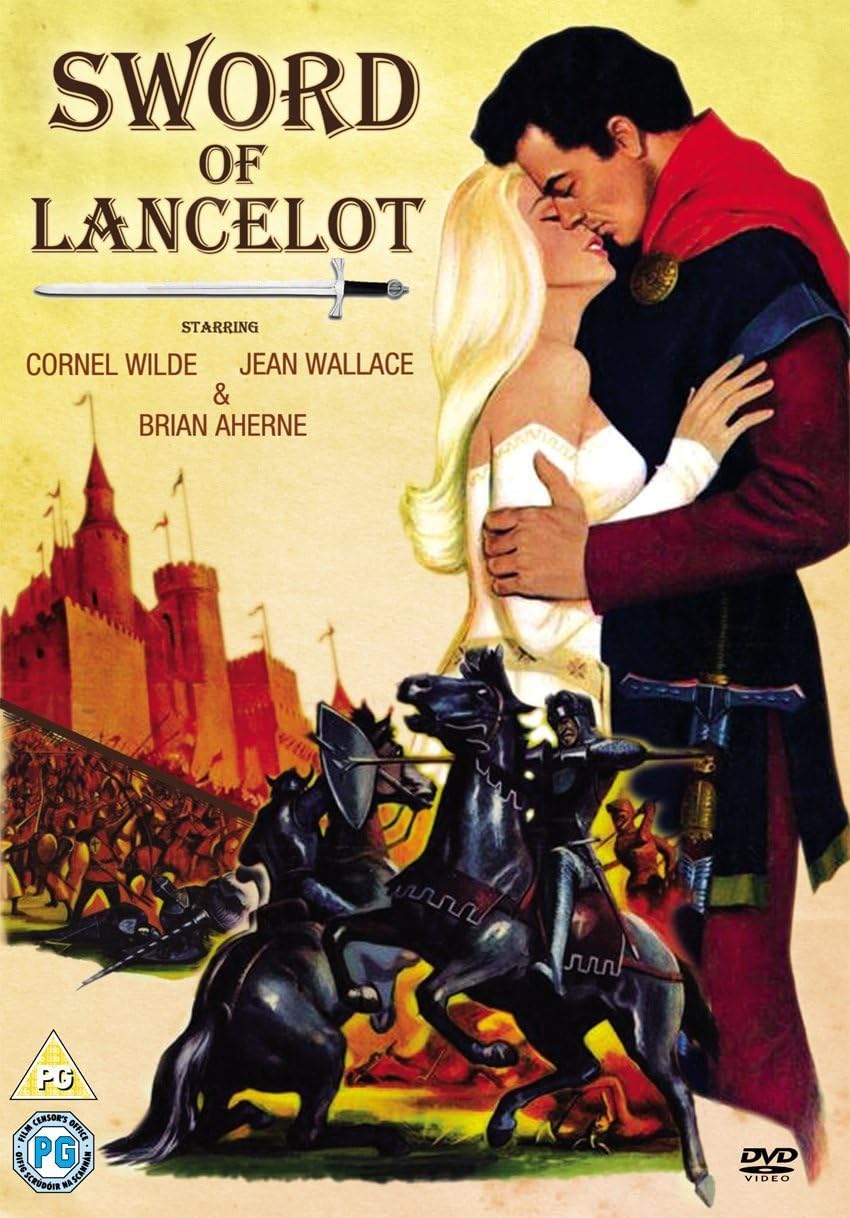
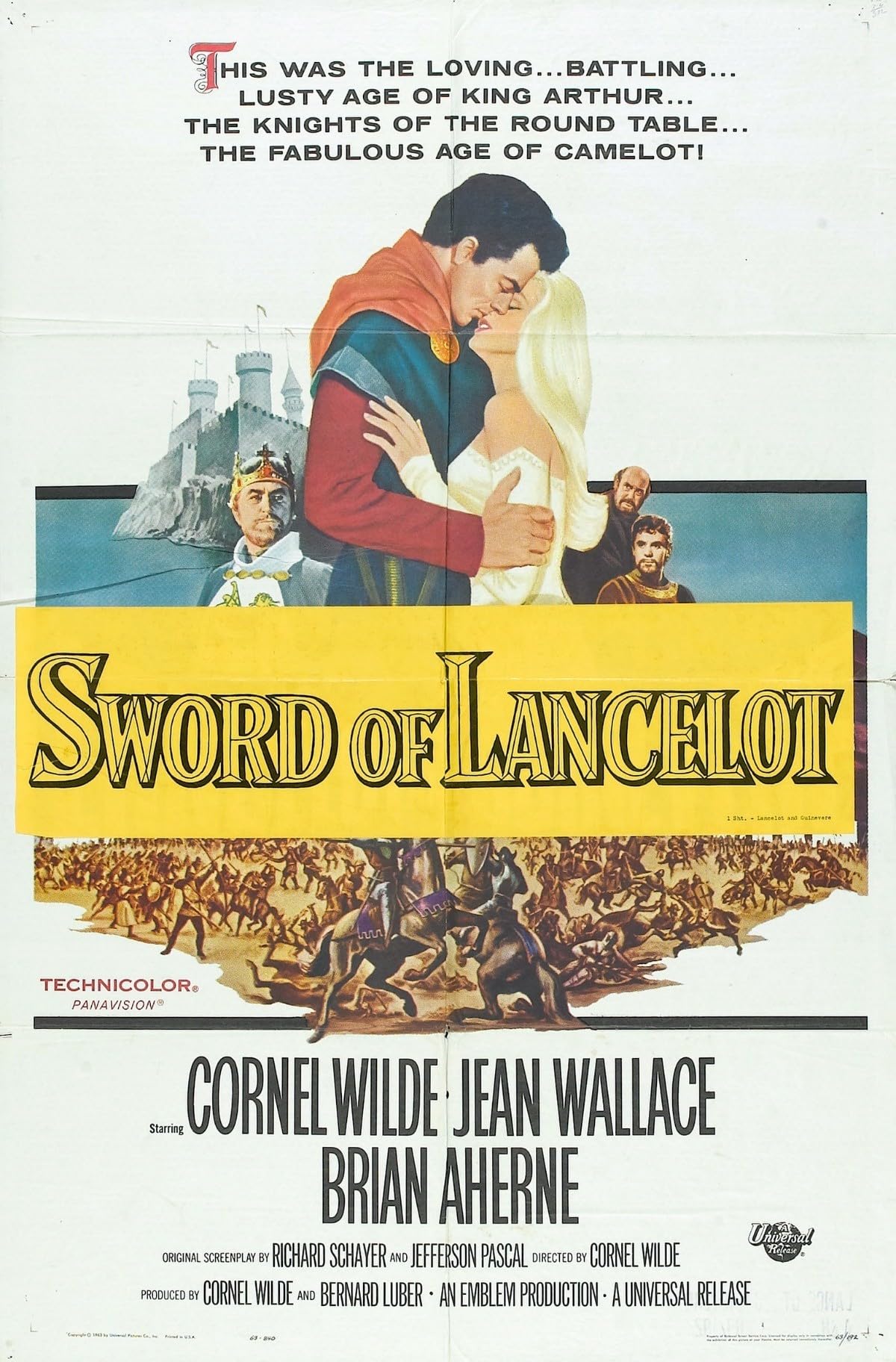
Sword of Lancelot  (1963)
[+]
Lancelot and Guinevere
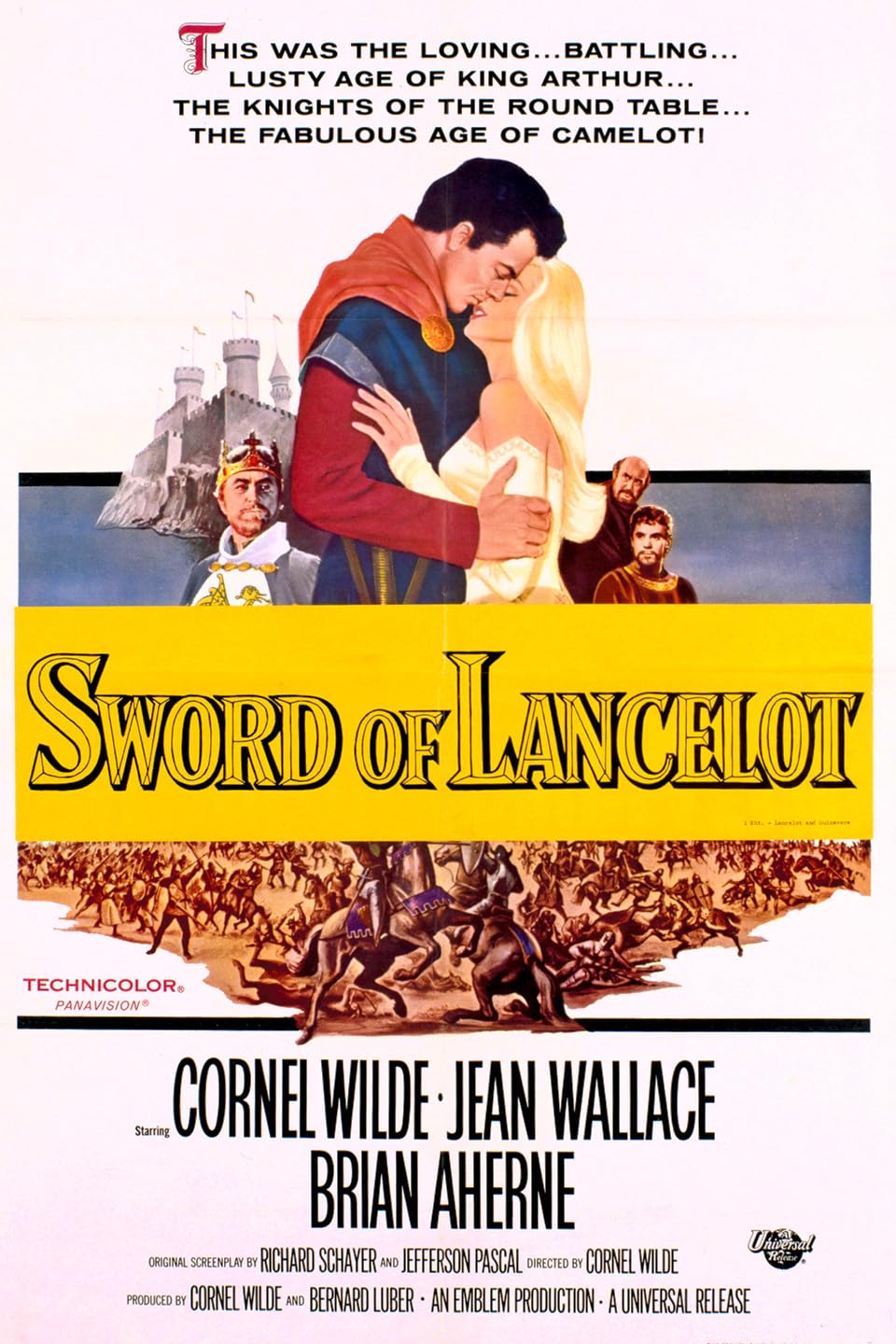
Tagline(s):This Was the Loving...Battling...Lusty Age of King Arthur...The Knights of the Round Table...The Fabulous Age of Camelot!
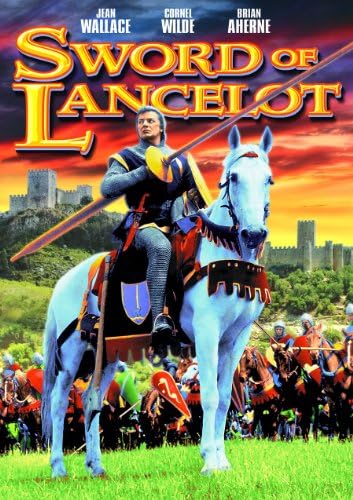
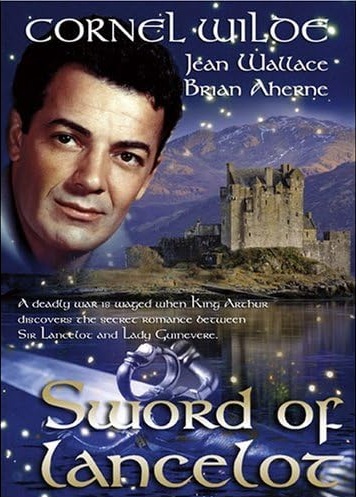
 A deadly war is waged when King Arthur discovers the secret romance between Sir Lancelot and Lady Guinevere.
Nomination Year: 2026
SYNOPSIS: 

Made in 1963, this is a ridiculously overwrought Arthurian retelling from before Hollywood had invented humor, romance, or horseback riding. In the days of Camelot, King Arthur sends Sir Lancelot, his best friend and strongest knight, north to the neighboring kingdom to bring back Guinevere, daughter of the king, to be his bride and seal an alliance that will unite all of Britain. When he arrives, however, Lancelot finds that he must duel the kingdom's champion to win Arthur's bride for him. He succeeds too well, winning not only the duel but Guinevere's heart as well. They fall in love on the way back to Camelot, flirt shamelessly at Arthur and Guinevere's wedding, and embark on a torrid affair (or, at least, what passed for torrid in 1963). After a 30-minute digression to deal with a raid by horn-helmeted Vikings and just as the audience is starting to come to the stunning realization that the actor playing Lancelot thinks he's doing a French accent, Lancelot returns to Camelot and finally awakens Arthur's suspicions. At which point, the final half hour suddenly pivots from Renn Faire silliness into a fairly faithful, if still ridiculously overwrought, retelling of Le Morte d'Arthur. Most of the important action happens off screen and the strategy in the epic final battle between the armies of Arthur and Mordred consists primarily of the knights of both armies riding half-heartedly toward each other hoping desperately not to fall off before they meet in battle. But in the end, it all unfolds as Mallory said, if not so competently told as in the original.
Greg Pearson
Smithee Award Nominations
"Whoops!"
Am I Supposed To Die Now?
Extra (at left) stands around for a while with arrow sticking out of his chest before suddenly realizing he's supposed to die. (IMDB also claims that someone in this scene is smoking, but I haven't been able to spot it.)
Directors
Director Claim to Fame
Cornel Wilde Hungarian actor/director who directed nine things, among them The Devil's Hairpin; Sword of Lancelot; Naked Prey; and Sharks' Treasure. You can tell he got to select his leading ladies... 
Cast
Actor Character Claim to Fame
Cornel Wilde Sir Lancelot Hungarian-born, his career ran from the 30s through the 80s. Movies like Leave Her to Heaven and The Greatest Show on Earth slowly gave way to one-off TV appearances until his death in '87. 
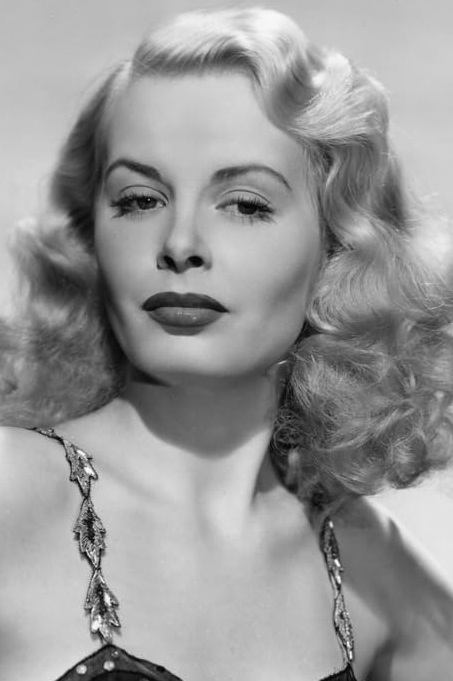
Jean Wallace Guinevere Platinum blonde from the era of bombshells. Barbara Whitfield in Jigsaw; Susan Lowell in The Big Combo; Mary Dalton in Native Son; Kelly James in The Devil's Hairpin
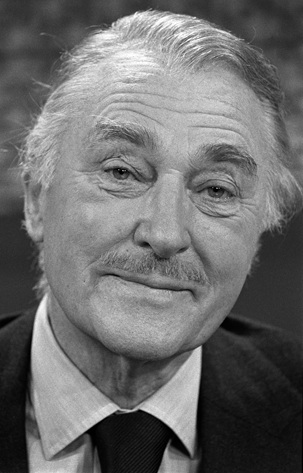
Brian Aherne King Arthur One of the top British actors from the 30s through 50s...what happened? Jeff Troy in A Night to Remember; Wade Rawlins in Merrily We Live; Andre Morestan in The Lady in Question; Robert Larrimore in Smart Woman. Did a bunch of one-off TV episodes. 
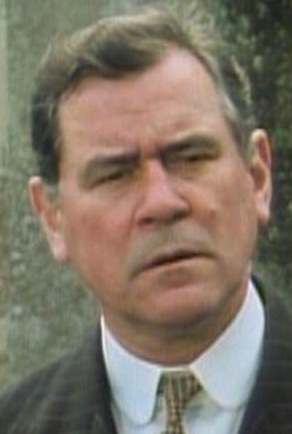
George Baker Sir Gawaine Bill Randall in PT Raiders; Tiberious on "I, Claudius"; Lord Sutterwick in Goodbye, Mr. Chips; and parts in a couple of Bond films, like On Her Majesty's Secret Service and The Spy Who Loved Me
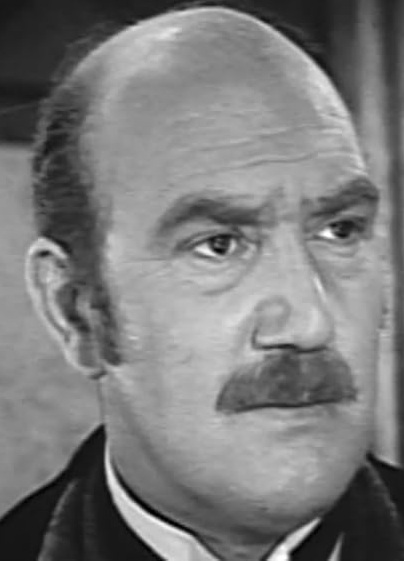
Archie Duncan Sir Lamorak British actor who portrayed Little John on "The Adventures of Robin Hood"; Inspector Lestrade on "Sherlock Holmes" (1954 series); Robert de Baudricourt in Saint Joan; John Murray in The Bad Lord Byron
To the Film Gallery   Return to Lobby
[Smithee Film Gallery]   [Return to Lobby]
© 1992-2026 Bryan D. Cassidy and Greg Pearson. All Rights Reserved.